Living a homesteading life in rural Africa is deeply connected to the rhythms of nature and community. Here are 10 activities that could easily fill your day:
1. Water Collection and Management:
- In many rural areas, access to running water is limited. This means daily trips to communal wells, boreholes, or rivers. Time is also spent maintaining water storage systems.
2. Farming and Gardening:
- This is a core activity. Tending to crops, planting, weeding, and harvesting are daily tasks. This can include maintaining fields of staple crops, and tending to smaller family gardens.
3. Livestock Care:
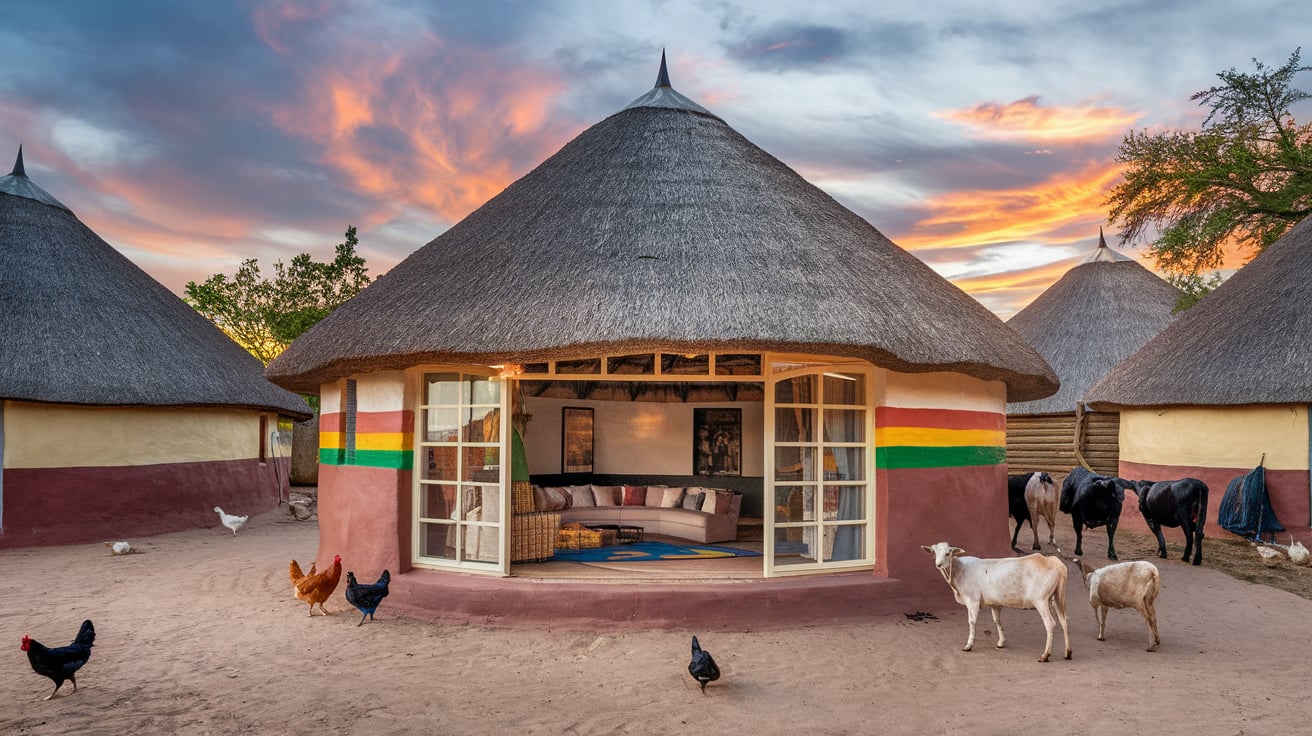
- If you have animals (cows, goats, chickens), they need feeding, watering, and tending to. This could also include milking cows or goats.
4. Food Preparation and Preservation:
- Preparing meals from scratch takes time. This can include grinding maize, preparing traditional dishes, and preserving foods through drying or other methods.
5. Gathering Firewood:
- In many rural areas, firewood is the primary source of fuel for cooking. Gathering and chopping firewood is a regular chore.
6. Home and Homestead Maintenance:
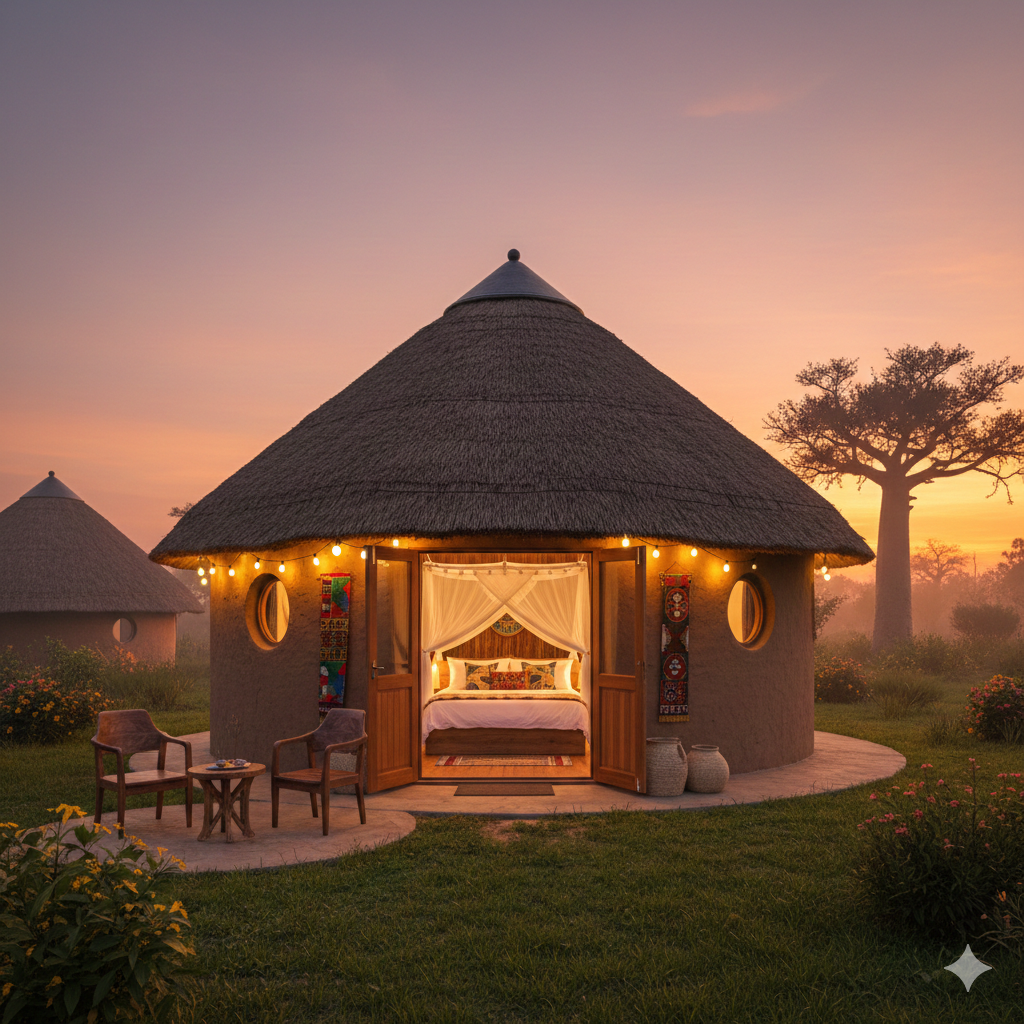
- This could involve repairing fences, mending roofs, or maintaining earthen floors. Traditional homes require ongoing upkeep.
7. Crafting and Repairing:
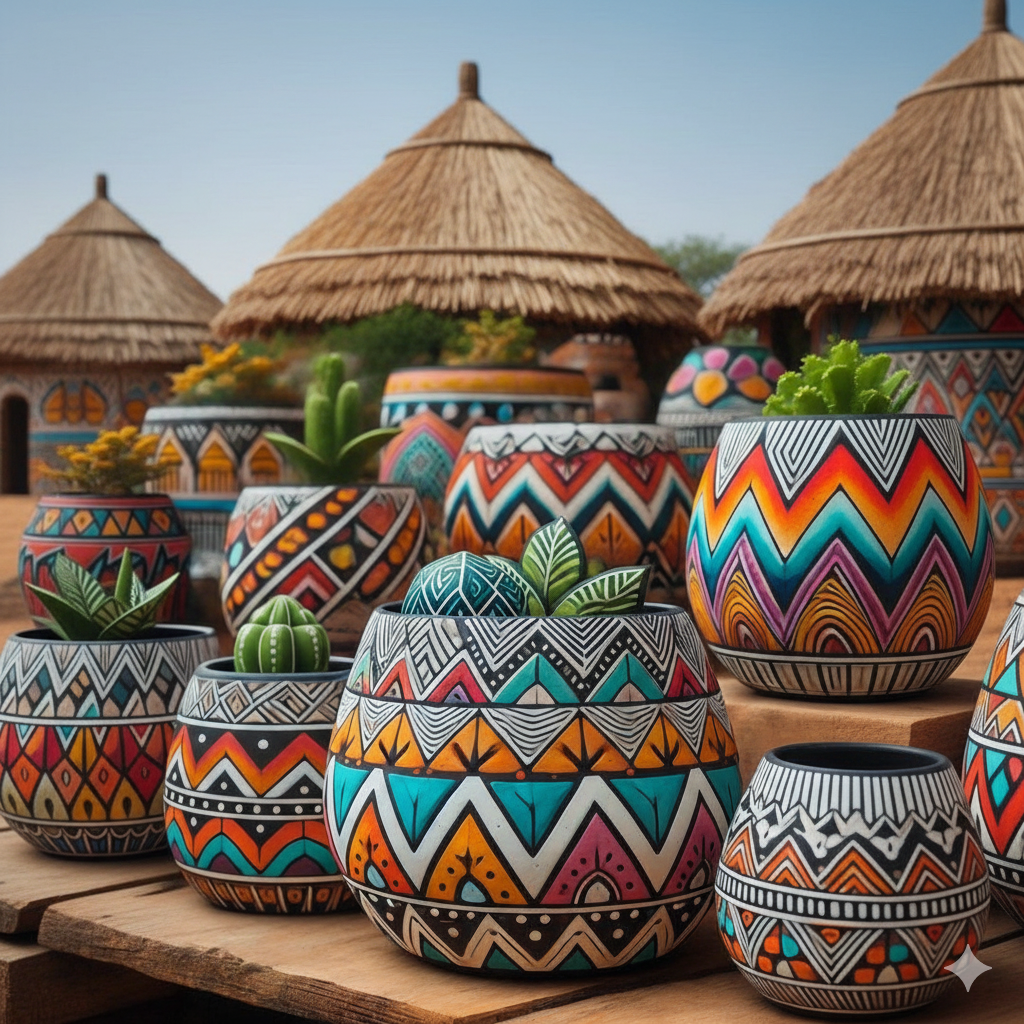
- Many rural residents are skilled craftspeople. Time is spent making baskets, pottery, or other useful items. Repairing tools and equipment is also a common activity.
8. Community Activities:
- Rural African life is often deeply communal. Attending community meetings, helping neighbors, and participating in local events can take up a significant portion of the day.
9. Childcare and Education:
- Caring for children and ensuring their education is a priority. This may involve helping with schoolwork or teaching traditional skills.
10. Local Market Trips:
- Trips to the local market to buy or sell goods are essential. This is a time for social interaction and economic activity.